

WAYS | World Academy of Young Scientists
Young Scientists Longevity Research Healthy Aging Biotechnology
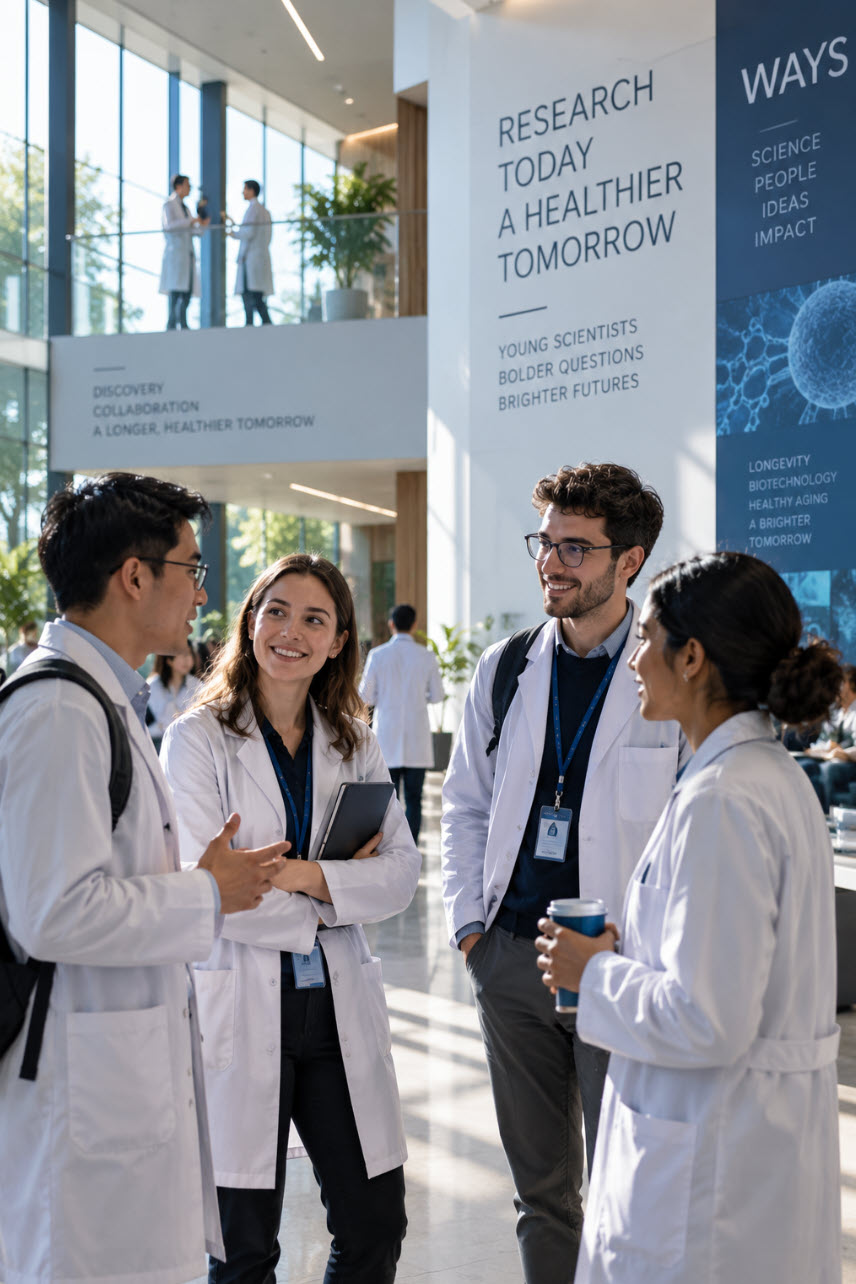
World Academy of Young Scientists, the global network of young researchers exploring longevity and health science
World Academy of Young Scientists

The Next Generation of Longevity Science

The World Academy of Young Scientists (WAYS) is an international educational network created to support, connect, and amplify young researchers.

Today, WAYS is renewing that mission with a focused emphasis on one of the most exciting areas of modern science: longevity and human health. We explore the research, technologies, and scientific questions shaping the future of healthy aging, metabolic health, biotechnology, regenerative medicine, peptide science, and human healthspan.

Our purpose is to give young scientists a place to learn, contribute, collaborate, and participate in the scientific conversations that may define the next generation of medicine.

Scientific research imagery representing the biological study of aging and human health
The Field Today

Science Is Changing How We Understand Aging

For much of human history, aging was largely viewed as something that simply happened. Today, researchers are investigating aging at the cellular, genetic, metabolic, and molecular levels.

Scientists are studying cellular senescence, mitochondrial function, genetics, epigenetics, inflammation, metabolism, immune function, nutrition, and other biological processes that may influence how humans age.

Advances in biotechnology, diagnostics, artificial intelligence, and medical research are also giving scientists new tools to investigate questions that previous generations could barely explore.

The World Academy of Young Scientists follows this rapidly developing field through the research, ideas, and young researchers helping move it forward.

What We Follow

Areas of Exploration

Four connected fields of research define how WAYS explores the science of longevity and human health.

Longevity & Healthy Aging

Understanding Why We Age

What determines how quickly humans age? Why do some people remain healthier longer than others? And can science help extend the healthy portion of human life? Longevity science brings together researchers from many different disciplines to investigate these questions.

Biology of Aging Healthspan & Lifespan Cellular Senescence Genetics & Epigenetics Mitochondrial Health Inflammation Biological Age Biomarkers of Aging Preventive Health Geroscience

The objective is not simply to extend life. It is to better understand how people might remain healthier throughout it.

Explore Longevity Science


Metabolic Health & Weight Science

Understanding the Biology Behind Metabolism

Metabolic health is closely connected to many of the major challenges facing modern medicine. Researchers are studying obesity, insulin resistance, glucose regulation, hormones, appetite signaling, body composition, cardiovascular health, and the biological systems involved in maintaining metabolic health.

Metabolic Health Obesity Research Insulin Resistance Glucose Metabolism GLP-1 Science Nutrition Exercise Physiology Body Composition Metabolic Disease Healthy Weight Research

Better understanding of metabolism could influence far more than weight management alone.

Explore Metabolic Health

Peptide Science

Small Molecules. Important Questions.

Peptides play important roles throughout human biology and act as signaling molecules involved in many physiological processes. Today, peptide science is being studied across medicine, biotechnology, metabolism, endocrinology, dermatology, and other areas of health research.

Peptide Biology Cellular Signaling GHK-Cu Sermorelin Growth Hormone Research Metabolic Peptides Tissue & Recovery Research Peptide Therapeutics Biotechnology Emerging Peptide Research

Our focus is on the science, the evidence, and the questions researchers are still trying to answer.

Explore Peptide Science

Biotechnology & Emerging Medicine

New Tools for Understanding Human Health

Some of the most important developments in longevity research are happening where biology and technology intersect. Today's young researchers have access to tools that make it possible to study human health at an extraordinary level of detail.

Biotechnology Genomics Epigenetics Precision Medicine AI in Health Research Biomarker Testing Wearable Health Technology Regenerative Medicine Drug Discovery Personalized Health

The future of longevity science will likely depend on collaboration across many different scientific disciplines.

Explore Biotechnology
Young researcher featured in the WAYS Young Scientist Spotlight
Young Scientist Spotlight

Meet the Researchers Asking the Next Questions

The World Academy of Young Scientists was created around the belief that young researchers deserve a meaningful voice in science. That remains central to WAYS today.

Our Young Scientist Spotlight introduces students, graduate researchers, postdoctoral researchers, early-career scientists, and emerging scientific voices working across longevity and health science.

  • What They Study
  • Why They Chose Their Field
  • Current Research Interests
  • Emerging Scientific Questions
  • Career Paths
  • Perspectives on the Future of Science

The future of longevity research is not only about discovering the next breakthrough. It is also about supporting the scientists who may make it happen.

Meet the Researchers
Scientific research imagery featured in the WAYS Research Spotlight
Research Spotlight

Following the Science of Longevity

Thousands of studies related to aging, metabolism, and human health are published every year. WAYS highlights noteworthy research involving aging biology, longevity, metabolism, peptides, nutrition, exercise, genetics, cellular health, regenerative medicine, and preventive health.

We look beyond the headline to consider what researchers found, what limitations remain, and what questions should be investigated next.

Explore Research
Start Exploring the Science

The WAYS Research Library

The World Academy of Young Scientists Research Library provides educational introductions to important concepts shaping longevity and human health research.

What Is Healthspan?
Why Do Humans Age?
What Is Biological Age?
What Are Biomarkers of Aging?
What Is Cellular Senescence?
How Does Metabolism Change With Age?
What Are Peptides?
What Is Epigenetics?
What Is Geroscience?
How Is AI Being Used in Health Research?

Each resource provides a starting point for deeper scientific exploration.

Browse the Research Library
One Question. Many Scientific Perspectives.

Around a Theme

Some of the most important scientific problems cannot be solved by one field alone. WAYS continues the tradition of exploring science Around a Theme, bringing together research and perspectives from different disciplines around one central question.

Can We Measure Biological Aging?
What Determines Human Healthspan?
Can Metabolic Health Influence Aging?
What Role Does Exercise Play in Longevity?
How Could Artificial Intelligence Accelerate Longevity Research?
What Is the Future of Peptide Science?

By examining the same issue through multiple scientific disciplines, researchers can discover connections that might otherwise be missed.

Explore Around a Theme
Learn. Contribute. Connect.

Opportunities for Young Scientists

The World Academy of Young Scientists exists to encourage participation in science, not simply observation of it. WAYS invites young scientists and students interested in longevity and health research to get involved.

01

Explore Emerging Research

02

Contribute Scientific Perspectives

03

Share Research Interests

04

Discover Other Young Researchers

05

Participate in Scientific Discussions

06

Follow New Areas of Investigation

07

Develop Science Communication Skills

08

Connect Across Scientific Disciplines

New ideas often emerge when researchers from different backgrounds begin talking to one another.

Voices of the Next Generation

Giving Young Scientists a Stronger Voice

Young researchers often approach familiar scientific questions from new perspectives. WAYS provides a platform for emerging scientists to discuss where longevity science may be heading, which questions deserve greater attention, and how new technologies could change what researchers are capable of discovering.

We believe young scientists should not simply inherit the future of science. They should help shape it.

The World Academy of Young Scientists

Our History

WAYS stands for the World Academy of Young Scientists. The organization was created as a permanent global network of young researchers, principally between the ages of 15 and 40, with the goal of creating an environment where young scientists could conduct quality research and participate actively in science policy and decision-making.

2003

Developed Under the Aegis of UNESCO

WAYS was officially launched at the World Science Forum in Budapest in November 2003.

2004

First WAYS General Conference

Held in December 2004, bringing together active members from different geographic regions and scientific disciplines to help shape the structure and future of the organization.

Early Network

A Global Founding Community

The early WAYS network included members from five continents and benefited from the support of distinguished senior scientists, including Nobel Prize winners. Nobel laureate Professor Leon Lederman served as honorary president.

"Build a global network where young scientists could connect, collaborate, contribute, and make their voices heard."

The original WAYS mission. That philosophy remains at the heart of WAYS today.
A Renewed Scientific Mission

Young Scientists Exploring Longevity and Human Health

More than two decades after WAYS was established, science is confronting a new generation of extraordinary questions. The renewed World Academy of Young Scientists is creating a place for the next generation of researchers to explore them.

Can we better understand the biology of aging?
Can healthspan be extended?
Can biological aging be measured accurately?
How will biotechnology change medicine?
What role will artificial intelligence play in scientific discovery?
How might advances in metabolism, genetics, regenerative medicine, and peptide science influence the future of human health?
Our Purpose

The WAYS Mission

The mission of the World Academy of Young Scientists is to connect, educate, and amplify young researchers interested in longevity and human health science. WAYS seeks to:

  • Encourage Scientific Curiosity
  • Promote Interdisciplinary Research
  • Highlight Young Researchers
  • Make Emerging Science More Accessible
  • Encourage International Scientific Exchange
  • Support Science Communication
  • Create Opportunities for Young Scientists to Be Heard

The scientific questions may evolve. The purpose remains the same: give the next generation of scientists a meaningful place in the conversation.

The Future of Longevity Science Needs New Voices

Join the Global Network of Young Researchers

Are you a student, researcher, scientist, educator, or emerging professional interested in longevity and health science? Become part of the renewed World Academy of Young Scientists and join a global conversation about aging, biotechnology, metabolic health, peptides, regenerative medicine, and the future of human health.

Explore the Research. Meet the Scientists. Share Your Ideas.

About WAYS

A Global Network for Young Researchers

WAYS, the World Academy of Young Scientists, is a global network dedicated to supporting and connecting young researchers.

Originally created to give young scientists greater opportunities to participate in research, scientific collaboration, science policy, and international scientific exchange, WAYS is renewing that mission with a special focus on longevity and human health.

Our areas of interest include healthy aging, longevity research, metabolic health, biotechnology, peptide science, regenerative medicine, genetics, artificial intelligence, and other emerging fields that may influence the future of medicine.

Our goal is not to promote unproven treatments or predict miracle breakthroughs. It is to follow the science, encourage curiosity, connect young researchers, and provide the next generation of scientists with a stronger voice.

World Academy of Young Scientists
The Global Network of Young Researchers
WAYS: The Next Generation of Longevity Science.